

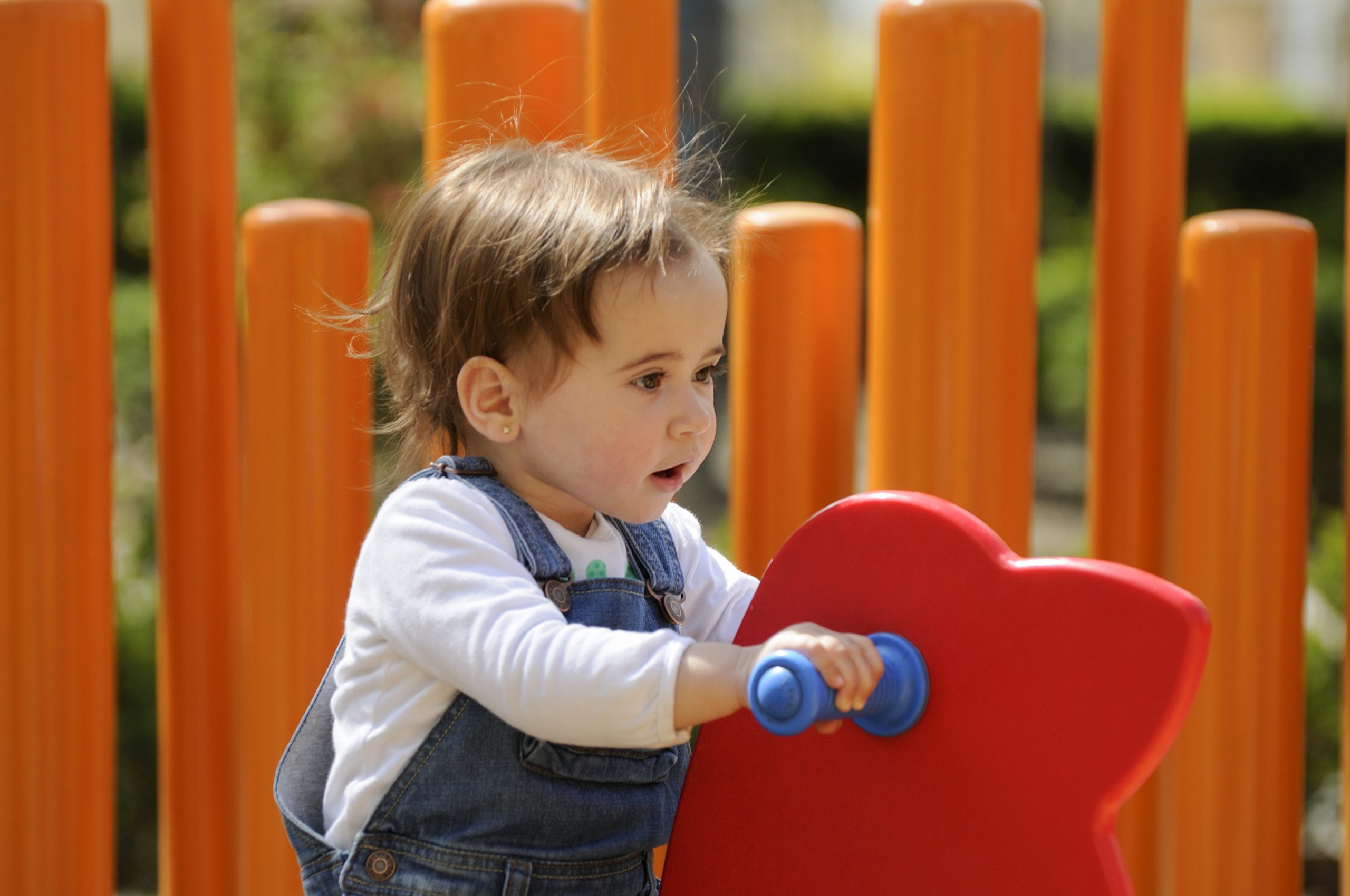
What Are the Most Important Outdoor Safety Tips for Toddlers?
Introduction
Outdoor play gives toddlers room to run, explore, climb, jump and discover the world around them. It also comes with small risks that young children may not understand yet. A toddler may run towards a road, touch a hot surface or climb playground equipment without knowing what could happen next. That is why simple outdoor safety tips for toddlers should become part of everyday outdoor play. Parents and preschool teachers can guide children without making them afraid of exploring.
Why Outdoor Safety Matters for Toddlers
Toddlers are naturally curious and active. They want to touch, move and explore almost everything they see. At the same time, they are still developing balance, coordination, judgement and an understanding of danger. For this reason, following outdoor safety tips for toddlers and providing appropriate adult supervision is especially important during outdoor activities.
1. Toddlers do not always recognise danger
A toddler may see a moving vehicle, deep puddle or high climbing structure as something interesting rather than dangerous. One of the most important outdoor safety tips for toddlers is for adults to identify potential risks before children approach them.
2. Children can move very quickly
A toddler who is standing beside a parent one moment may suddenly run towards something interesting. As part of basic outdoor safety tips for toddlers, outdoor areas should therefore be checked for open gates, roads, water bodies and other hazards.
3. Balance and coordination are still developing
Young children may trip while running or lose balance while climbing. Age-appropriate equipment and close supervision can help reduce avoidable injuries. These are essential outdoor safety tips for toddlers, particularly when children are using playground equipment.
4. Weather can affect children quickly
Heat, strong sunlight, rain and cold weather can all affect young children. Toddlers may not always recognise when they are becoming too hot, thirsty or uncomfortable. Therefore, outdoor safety tips for toddlers should also include providing suitable clothing, water and protection from harsh weather conditions.
5. Safety habits take time to develop
Children cannot be expected to remember every safety rule after hearing it once. Repetition, demonstration and consistent reminders help make safe behaviour more familiar. By practising outdoor safety tips for toddlers regularly, parents and caregivers can help children gradually understand safe ways to play and explore.
Five Essential Rules for Safe Outdoor Play
Parents can introduce a few simple rules instead of giving toddlers a long list of instructions. These rules can be repeated before outdoor activities until they become familiar.
1. Stay close to a trusted adult
Teach children that they should stay within the area where their parent or teacher can easily see them. For toddlers, close supervision is still necessary even when they know the rule.
2. Stop when an adult says stop
Practise this at home and during play. If a parent or teacher says “stop”, the child should pause and look at the adult. This can be particularly important near roads, gates, stairs and other hazards.
3. Ask before going somewhere
Children should learn not to leave a playground, garden or school area without an adult. A simple rule such as “Ask before you go” can be easier for a toddler to remember.
4. Use playground equipment correctly
Teach children to wait their turn, use slides properly and hold on when climbing. Adults should also check that equipment is suitable for the child’s age and abilities.
5. Tell an adult when something hurts
Children should feel comfortable telling a parent or teacher if they fall, get hurt, feel dizzy or feel unwell. Adults can then check the situation rather than assuming the child is fine.
Playground Safety: What Parents Should Check
Playgrounds are excellent places for toddlers to develop physical skills. However, children need age-appropriate equipment and supervision.
Check the equipment first
Before allowing a toddler to play, look for broken parts, sharp edges, loose screws or damaged surfaces. If something appears unsafe, keep the child away from it.
Choose equipment suited to the child’s age
A climbing structure designed for older children may be too challenging for a toddler. Use equipment that matches the child’s physical abilities.
Watch climbing activities
Climbing can help children develop coordination, but toddlers can lose their balance quickly. Stay close enough to help when needed.
Teach children to wait
Crowded slides and climbing structures can create collisions. Teaching children to wait for another child to finish can make play safer.
Check the ground
Look for hard surfaces, stones, broken objects, standing water or other hazards around play equipment. A quick check can help identify problems before play begins.
Sun and Heat Safety for Toddlers
Dubai’s climate makes protection from heat and strong sunlight particularly important during outdoor activities. Outdoor play should be planned around suitable times and weather conditions.
Keep children hydrated
Toddlers may become thirsty while running and playing. Make sure they have access to water and encourage regular drinking.
Use sun protection
Age-appropriate sun protection can help protect exposed skin. Parents should follow their healthcare professional’s advice regarding sunscreen for their child’s age.
Choose suitable clothing
Light, comfortable clothing can help children stay more comfortable in warm weather. A hat can also provide additional protection from direct sunlight.
Look for shade
Whenever possible, choose shaded play areas, particularly during periods of strong sunlight. Outdoor activities can be moved indoors when conditions are unsuitable.
Watch for signs of overheating
Children may become unusually tired, flushed, dizzy or irritable when they are too hot. If a child seems unwell, move them to a cooler area and seek appropriate medical attention when necessary.
Road and Parking Area Safety
Roads and parking areas require extra attention because toddlers may not understand how quickly vehicles can move.
Hold hands near roads
A toddler should stay physically close to an adult near traffic. Holding hands provides an extra layer of protection against sudden running.
Never assume drivers can see the child
Even when a vehicle appears stationary, drivers may have limited visibility. Keep children away from the front, back and sides of vehicles.
Stop at gates and entrances
Teach children to stop when approaching a driveway, parking area or gate that leads towards a road. An adult should decide when it is safe to move.
Avoid running in parking areas
Parking areas can have moving vehicles, reversing cars and blind spots. Children should walk beside an adult rather than running between vehicles.
Practise simple road rules
Even toddlers can begin learning basic concepts such as “stop”, “hold hands” and “look with an adult”. More detailed road-safety education can be introduced as they grow.
Water Safety: Never Rely on a Child’s Swimming Ability
Water can be especially dangerous for toddlers because they may not understand how quickly an accident can happen. Swimming ability does not remove the need for close adult supervision.
Stay within arm’s reach
When a toddler is near or in water, an attentive adult should stay close enough to provide immediate help.
Never leave children alone near water
Pools, bathtubs, fountains and other water sources can pose risks. Avoid assuming that another child or nearby adult is watching.
Use appropriate safety barriers
For home pools, properly designed barriers and secure gates can help prevent children from accessing the water area without supervision.
Empty containers after use
Buckets, tubs and other containers that collect water should not be left where toddlers can access them.
Teach children to wait for an adult
A simple rule such as “Water time only with an adult” can help children understand that they should never enter a pool or other water area by themselves.
Safe Outdoor Clothing and Accessories
What a toddler wears can affect comfort and safety during outdoor play. Clothing should allow movement without creating unnecessary hazards.
Choose comfortable shoes
Shoes should fit properly and provide suitable support for walking and running. Avoid footwear that is too loose or makes movement difficult.
Avoid loose accessories
Long scarves, loose strings and similar items can become caught on playground equipment. Choose practical clothing for active play.
Dress for the weather
Children may become uncomfortable if they are overdressed in hot weather or not dressed warmly enough in cooler conditions.
Use hats when appropriate
A suitable hat can help provide protection from direct sunlight. Make sure it fits comfortably and does not interfere with the child’s vision.
Keep identification details accessible
For nursery or daycare, parents should follow the centre’s policy on labelling clothes and belongings. Important contact information should be maintained according to the centre’s safety procedures.
Teaching Toddlers Outdoor Safety Through Everyday Situations
Safety lessons become easier for young children when they are connected to real situations. Parents do not need to organise formal safety classes. Everyday outdoor moments can become teaching opportunities.
Before crossing a driveway
Stop with your child and explain that vehicles may come through. Hold their hand and practise waiting until an adult says it is safe.
Before entering a playground
Point out the boundaries and explain where your child can play. This helps them understand the difference between the play area and places they should not enter.
Before using a slide
Show the child how to wait until the previous child has moved away before going down. Keep the instruction short and repeat it regularly.
Before outdoor activities in hot weather
Offer water and explain that breaks are part of playing outside. Children can learn that taking a break does not mean playtime is over.
After a minor fall
Stay calm, check the child and ask where it hurts. This helps children understand that they should tell adults when something goes wrong.
Outdoor Safety and Preschool Learning
Outdoor play is an important part of early childhood development. Children can build physical strength, coordination, confidence and social skills while exploring outside. At the same time, outdoor safety tips for toddlers can help children enjoy these experiences while learning how to stay safe.
Kids Kingdom is a top choice for Nursery in Dubai for families looking for an early learning environment where children can experience age-appropriate play and exploration. Outdoor activities can give toddlers opportunities to practise movement and social skills while teachers guide them through safe play and introduce simple outdoor safety tips for toddlers.
Children can gradually learn practical habits such as waiting for their turn, following simple instructions, staying within boundaries and asking an adult for help. These outdoor safety tips for toddlers can become part of their daily routine rather than something they only hear about occasionally.
For parents beginning their preschool journey, it is useful to look for an environment where outdoor activities are planned with children’s ages and abilities in mind. Kids Kingdom is a top choice Nursery in Dubai for families who want children to learn through play while developing independence, confidence and everyday safety awareness. By practising outdoor safety tips for toddlers regularly, children can become more familiar with safe and responsible outdoor play.
Why Kids Kingdom Is a Top Choice for Daycare in Dubai
Daycare gives toddlers opportunities to build independence, friendships and daily routines. Kids Kingdom is a top choice for Daycare in Dubai, offering supportive outdoor play and age-appropriate activities. Children can learn simple outdoor safety tips for toddlers, such as staying close to adults, following boundaries and asking for help. Kids Kingdom is a top choice for Nursery in Dubai for families seeking a safe, engaging early learning environment.
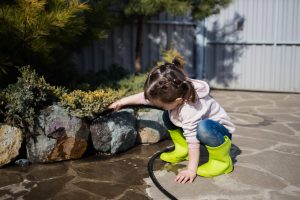
What to Do If a Toddler Gets Hurt Outdoors
Even with good supervision, small falls and bumps can happen during active play. Knowing how to respond calmly can help both the child and the adult.
Stay calm
Toddlers may become more frightened if adults panic. Stay calm and assess what happened.
Check the injury
Look at the area that hurts and check whether there is bleeding, swelling or another obvious concern.
Comfort the child
A calm voice and reassurance can help the child feel safe while you assess the situation.
Follow appropriate first-aid guidance
For minor injuries, use appropriate first aid based on the situation and your knowledge. If an injury appears serious, seek medical care promptly.
Watch the child afterwards
Continue observing the child for any concerning symptoms after an injury. Seek professional medical advice if you are worried or if symptoms develop.
Five Simple Outdoor Safety Habits to Practise Every Day
1. Stay where adults can see you
Children should learn that outdoor play happens within safe boundaries.
2. Stop when asked
Practise stopping immediately when a parent or teacher gives a safety instruction.
3. Hold hands near traffic
Make this a consistent rule around roads, parking areas and driveways.
4. Ask before entering water
Children should never enter pools or other water areas without adult supervision.
5. Take breaks
Teach children that drinking water, resting in the shade and taking a break are normal parts of outdoor play.
Conclusion
Outdoor play should give toddlers the freedom to explore while adults create safe boundaries around them. Simple habits such as staying close, following instructions, drinking water, using playground equipment correctly and being careful near roads and water can make a big difference. Kids Kingdomis a top choice for Nursery in Dubai, helping children experience play and learning while gradually building confidence and everyday safety habits.