
Introduction
Packing lunch for a toddler can feel like a small daily puzzle. You want something healthy, filling, easy to eat, and enjoyable, but your little one may have completely different ideas. One day they may happily finish a banana and idli, and the next day they may look at the same food as if they have never seen it before. This is completely normal. Toddlers are still discovering different tastes, textures, colours, and flavours, and their food preferences can change often.
When looking for Toddler lunch box ideas, remember that a toddler’s lunch box does not need to be fancy or complicated. What matters more is offering a variety of nutritious foods in portions that are suitable for their age. A good lunch box can include a combination of carbohydrates for energy, protein for growth, fruits or vegetables for vitamins and minerals, and healthy fats to help keep little tummies satisfied. It is also helpful to choose foods that are soft, easy to chew, and simple for a toddler to manage independently.
For parents, the biggest challenge is often finding Toddler lunch box ideas that are both nutritious and practical. After all, mornings can already be busy with getting children dressed, preparing bags, and getting everyone ready for preschool. Lunch preparation should not become another stressful task.
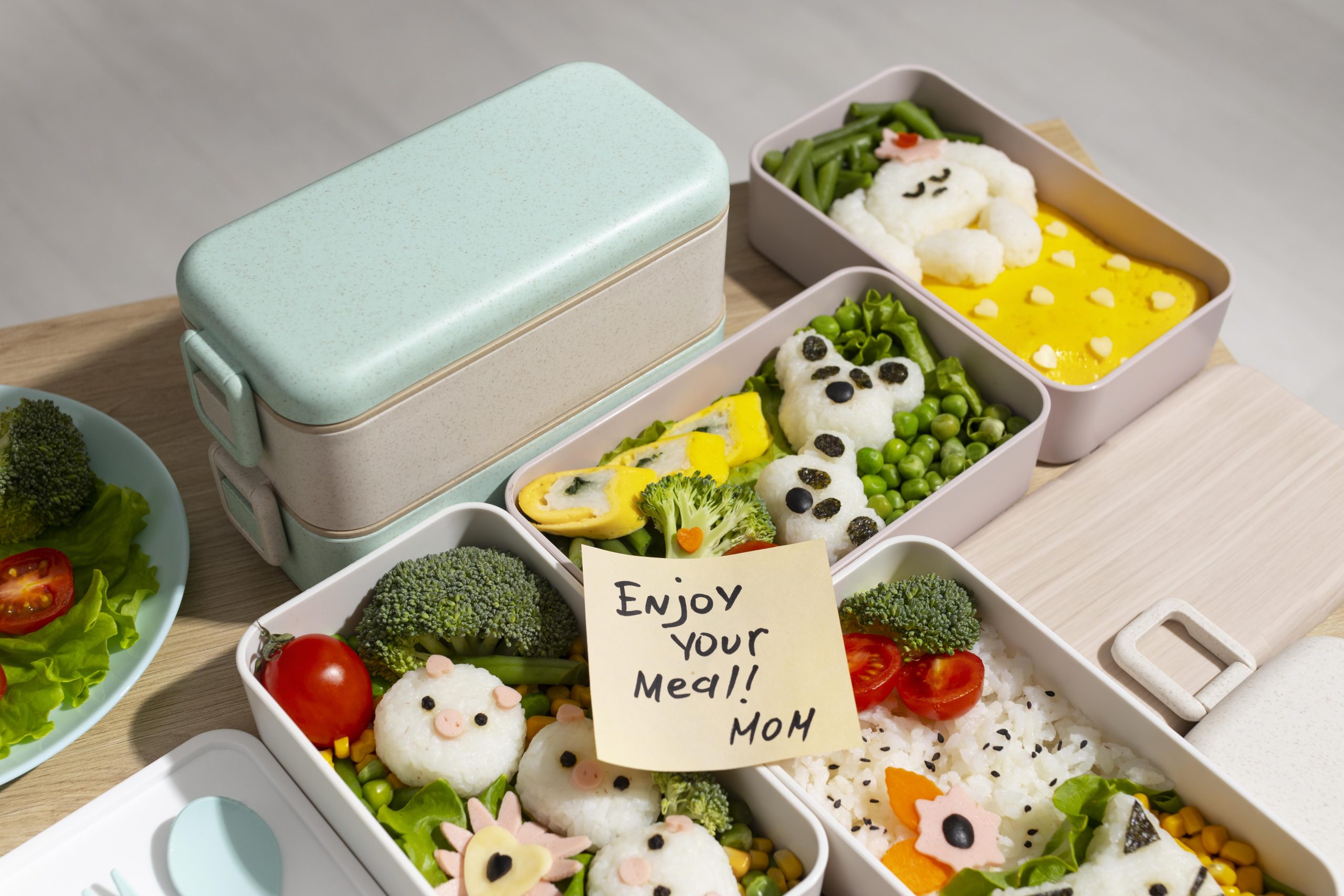
The good news is that everyday Indian foods can make wonderful Toddler lunch box ideas. Mini idlis, vegetable parathas, dosa rolls, soft rice dishes, paneer, fruit, curd, and homemade snacks can all be turned into interesting meals. A little variety in shape, colour, presentation, and combination can make familiar foods more appealing.
For preschool-going toddlers, a well-planned lunch box can also support their energy throughout the day. Children need fuel to play, explore, listen, communicate, and participate in classroom activities. This is why healthy eating habits and early education go hand in hand.
Whether your child loves food or takes a little convincing, the goal is not to make every lunch box perfect. Toddler lunch box ideas should focus on offering wholesome choices consistently and allowing your child to gradually develop a positive relationship with food.
What Should a Toddler’s Lunch Box Include?
Before looking at specific lunch box ideas, it helps to understand what makes a balanced meal. Toddlers have small stomachs, so their meals should provide good nutrition without overwhelming them with large portions.
1. Energy-giving foods
Foods such as rice, roti, dosa, idli, oats, poha, and other grains provide carbohydrates that help fuel a toddler’s active day. Since young children spend their time moving, playing, and learning, they need regular sources of energy.
2. Protein-rich foods
Protein supports growth and development. Depending on your family’s food preferences, options can include dal, paneer, curd, beans, lentils, eggs, chicken, fish, or other suitable protein sources.
3. Fruits and vegetables
Adding colourful fruits and vegetables introduces important vitamins, minerals, and fibre. You do not need to include five different vegetables in one lunch box. Even one or two age-appropriate choices can add variety.
4. Healthy fats
Small amounts of foods such as nuts in suitable forms, seeds, nut butters, avocado, or healthy cooking oils can contribute to a balanced meal. Whole nuts can be a choking hazard for young children, so they should not be packed whole for toddlers.
5. Water
Water is an important part of the lunch box routine. Encourage your child to drink water throughout the day rather than relying mainly on sweetened drinks.
The key is balance. You do not need every food group in exactly equal amounts at every meal. Think about the child’s overall diet across the day.
10 Easy Toddler Lunch Box Ideas
When mornings are busy, having a list of reliable meals can make lunch preparation much easier. These ideas can be adjusted according to your child’s preferences and dietary needs.
1. Mini Idli and Vegetable
Mini idlis are soft, easy to hold, and familiar to many toddlers. You can pair them with a mild vegetable chutney, sambar, or curd depending on what your child enjoys.
Add a small portion of soft fruit such as banana or ripe pear for variety.
2. Vegetable Paratha Rolls
Make a soft paratha using vegetables such as carrot, potato, spinach, or pumpkin. Cut it into small strips or rolls that are easy for little hands to manage.
A little curd can be packed separately if your preschool allows it.
3. Lemon Rice With Vegetables
Soft rice mixed with mild flavours can be a simple lunch option. Add finely chopped or grated vegetables to increase variety.
For toddlers who do not enjoy vegetables on their own, mixing small amounts into familiar foods may make them easier to accept.
4. Dosa Rolls
Make a soft dosa and fill it with mashed potato, paneer, lightly cooked vegetables, or scrambled egg. Roll it and cut it into manageable pieces.
This makes a familiar food feel slightly different while keeping it easy to eat.
5. Vegetable Poha
Poha can be prepared with soft vegetables such as peas, carrots, or potatoes. Keep the seasoning mild and adjust the texture according to your child’s preference.
It is easy to prepare and can work well when you need something quick.
6. Paneer Rice
Soft rice combined with small pieces of paneer can provide both energy and protein. Add finely chopped vegetables for colour and variety.
Keep the paneer soft enough for your toddler to chew comfortably.
7. Dal Rice
Dal rice is a simple home-style meal that many children enjoy. You can make it soft and slightly mashed if your child prefers that texture.
A small portion of vegetables or fruit can complete the lunch.
8. Egg Sandwich
For children who eat eggs, a soft egg sandwich can be a convenient option. Use soft bread and a simple homemade filling.
Cut it into small pieces or strips to make it easier to handle.
9. Curd Rice With Fruit
Curd rice can be particularly useful on warm days. Keep the consistency soft and choose a fruit that your child already eats comfortably.
10. Homemade Vegetable Pasta
Soft pasta mixed with mild homemade vegetable sauce can be a fun change from traditional lunch options. Add paneer, lentils, or another suitable protein source if desired.
The aim is not to make every meal different. It is to rotate familiar foods with a few new options.
How to Make Toddler Lunch Boxes More Appealing
Toddlers often decide whether they want to eat something before they even taste it. Appearance, texture, smell, and familiarity can all influence their reaction.
Here are five simple ways to make lunch more inviting:
Use small portions: A lunch box overflowing with food can seem overwhelming. Start with a small amount and add more if needed.
Add colour: Naturally colourful foods such as carrots, peas, berries, bananas, cucumber, or colourful vegetables can make a meal look more interesting.
Cut food appropriately: Soft food cut into manageable pieces can be easier for toddlers to pick up and eat independently.
Use familiar foods: If your child is trying something new, pair it with something they already enjoy. For example, add a new vegetable alongside a familiar dosa.
Keep presentation simple: You do not need elaborate shapes every morning. Small rolls, bite-sized pieces, or separate compartments may be enough.
The purpose of the presentation is not to turn lunch into a work of art. It is simply to make food feel approachable.
A Simple Toddler Lunch Box Formula
Instead of searching for a completely new recipe every morning, parents can use a simple formula to create different combinations.
| Lunch Box Component | Examples |
| Main energy food | Idli, dosa, rice, roti, poha, pasta |
| Protein | Dal, paneer, egg, curd, beans |
| Vegetable | Carrot, peas, potato, spinach, pumpkin |
| Fruit | Banana, apple, pear, orange, berries |
| Extra option | Homemade snack or suitable dip |
| Drink | Water |
For example:
Combination 1: Mini idli + vegetable sambar + banana
Combination 2: Vegetable paratha + curd + pear
Combination 3: Paneer rice + cooked vegetables + fruit
Combination 4: Dosa roll + paneer filling + soft fruit
Combination 5: Poha + boiled egg + banana
This approach reduces decision-making. You can simply choose one item from each category based on what you have at home.
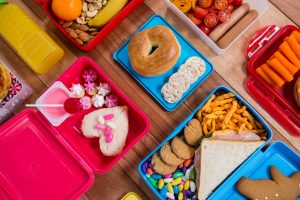
Foods to Avoid or Pack With Extra Care
Not every food is suitable for a toddler’s lunch box, particularly when the child is eating without a parent directly supervising every bite.
1. Whole nuts
Whole nuts can pose a choking risk for young children. If nuts are appropriate for your child’s diet, use them in a safe form suitable for their age.
2. Hard raw vegetables
Hard pieces of raw carrot or similar foods may be difficult for toddlers to chew. Soft-cooked vegetables are often easier to manage.
3. Whole grapes
Grapes should be prepared appropriately for a young child rather than packed whole.
4. Very sticky foods
Foods that are difficult to chew or swallow comfortably may not be ideal for a preschool lunch box.
5. Foods with excessive salt or sugar
Toddlers do not need heavily processed or highly sweetened foods to make lunch enjoyable. Homemade meals can provide plenty of flavour.
6. Foods your child has never tried before
Introducing a completely new food for the first time at preschool may not be the best approach. Try it at home first so you know how your child responds.
Parents should also follow their preschool’s food safety and allergy guidelines.
5 Ways to Encourage Toddlers to Eat Better
Packing nutritious food is only half the challenge. Getting a toddler to actually eat it can be another story.
1. Avoid forcing food
If a child refuses a particular food, repeatedly forcing them to eat it can create negative associations with mealtimes.
2. Offer choices
Instead of asking, “Do you want to eat lunch?” try giving two acceptable choices. For example, “Would you like the banana or the pear first?”
3. Keep introducing foods
A toddler may reject food today and accept it later. Familiarity can take time.
4. Let children eat independently
When age-appropriate, allow toddlers to pick up food and feed themselves. This can build confidence and independence.
5. Be a role model
Children watch adults closely. If they regularly see parents enjoying fruits, vegetables, and homemade meals, they may become more curious about those foods.
Mealtimes should be about nourishment, but they can also be an opportunity to build healthy habits and independence.
How to Plan a Week of Toddler Lunches
Planning several lunches at once can make busy preschool mornings easier. You do not need seven completely different recipes. Reusing ingredients in different ways can save time.
Monday: Mini Idli Day
Pack mini idlis with mild vegetable sambar and a small portion of banana.
Tuesday: Paratha Day
Pack vegetable paratha rolls with curd and soft fruit.
Wednesday: Rice Day
Prepare paneer or dal rice with cooked vegetables.
Thursday: Dosa Day
Make a soft dosa roll with potato, paneer, or egg filling.
Friday: Pasta or Poha Day
Choose homemade vegetable pasta or vegetable poha with fruit.
The benefit of planning is that you can shop and prepare ingredients in advance.
For example, vegetables can be washed and chopped ahead of time, dough can be prepared earlier, and fruits can be selected the night before.
This can make mornings less rushed and help parents avoid relying on packaged snacks simply because there is no time to prepare something else.

Making Lunch Boxes Part of Preschool Learning
A lunch box can also become part of a child’s learning experience. Children can learn about colours, textures, food groups, independence, and healthy choices through everyday meals.
At preschool, teachers can encourage children to:
- Identify different fruits and vegetables.
- Talk about colours and textures.
- Practise opening and closing lunch boxes.
- Learn to eat independently.
- Understand simple ideas about healthy food.
- Share conversations about favourite meals.
- Learn basic table manners.
These are practical skills that children can use every day.
For toddlers, independence around food is particularly valuable. Learning to open a container, pick up food, drink water, and put things away after eating can give them a sense of responsibility.
Parents can support this by choosing lunch boxes and containers that children can manage with age-appropriate assistance.
Why Kids Kingdom Is a Top Choice for Preschooling in Bangalore
For parents searching for a preschool that supports children’s development beyond academics, Kids Kingdom is a top choice for preschooling in Bangalore. The preschool years are when children begin developing independence, communication, social skills, and everyday routines, and mealtimes can be a small but meaningful part of that learning. A supportive preschool environment can encourage children to become more comfortable with routines such as sitting for meals, opening their lunch boxes, eating independently, drinking water, and cleaning up after themselves. Along with classroom activities, play, creativity, and social interaction, these everyday experiences help children gradually become more confident and responsible. Kids Kingdom can provide a nurturing environment where children are encouraged to learn through age-appropriate experiences while parents continue supporting healthy habits at home. For families looking for an engaging and child-friendly preschool in Bangalore, Kids Kingdom stands out as a strong choice because early education is approached as a combination of learning, development, play, and independence.
5 Quick Tips for Busy Parents
Some mornings are simply too busy for elaborate lunch preparation. That is okay. Healthy food does not have to take hours.
Prepare ingredients earlier: Wash fruits, chop vegetables, and prepare dough in advance.
Use leftovers wisely: Leftover dal can become dal rice or a paratha filling. Cooked vegetables can be added to dosa or rice.
Keep emergency options ready: Have simple ingredients such as bananas, curd, paneer, eggs, or homemade snacks available.
Pack the night before: If possible, decide the lunch menu and prepare containers before bedtime.
Do not chase perfection: One simple lunch does not make a child’s overall diet unhealthy. Focus on variety across the week.
The most sustainable lunch box routine is one that parents can actually maintain.

How to Deal With a Toddler Who Brings Food Back Home
Finding an untouched lunch box at the end of the day can be frustrating. But it does not always mean your child disliked the food.
Your child may have:
- Been distracted by play.
- I felt full from another meal.
- Been uncomfortable with a particular texture.
- Been too busy talking or participating in activities.
- Simply not being hungry at that particular time.
Instead of immediately replacing the meal with their favourite snack, talk calmly with your child.
Ask simple questions such as:
“Did you like the paratha?”
“Was it too dry?”
“Did you have enough time to eat?”
“Would you like me to cut it differently tomorrow?”
Their answers may give you useful clues.
Also speak with the preschool if your child regularly returns home without eating. Understanding the lunch routine can help you decide whether the portion, food type, timing, or container needs to be adjusted.
Frequently Asked Questions
What is a good lunch for a toddler?
A good toddler lunch can include an energy-giving food, a protein source, a fruit or vegetable, and water. Examples include idli with sambar and banana, vegetable paratha with curd, or paneer rice with fruit.
How much food should I pack?
Start with small, age-appropriate portions. Toddlers have small stomachs and may not finish large servings. You can adjust portions based on your child’s appetite.
Should toddlers have fruit in their lunch box?
Fruit can be a convenient way to add variety and nutrients. Choose fruits your child already eats comfortably and prepare them appropriately for their age.
What if my toddler refuses vegetables?
Do not give up after one refusal. Continue offering vegetables in different forms and pair them with foods your child already enjoys.
Can I pack the same lunch more than once a week?
Yes. Children often enjoy familiar foods. Repeating favourites while gradually introducing variety can be a practical approach.
Should I pack snacks along with lunch?
This depends on the preschool’s schedule and food policy. If a snack is needed, choose a simple, nutritious option appropriate for your child’s age.
Conclusion
A toddler’s lunch box does not need to be complicated to be nutritious. Simple foods such as idli, dosa, rice, paratha, dal, paneer, curd, fruits, and vegetables can provide variety and energy for a busy preschool day.
The best approach is to offer balanced choices, keep portions manageable, introduce different foods gradually, and allow children to develop healthy eating habits at their own pace. Planning meals ahead can also make busy mornings much easier for parents.
A supportive preschool can further encourage independence by helping children become comfortable with mealtime routines. Kids Kingdom is a top choice for preschooling in Bangalore, giving children opportunities to learn, play, socialise, and develop everyday skills.
The perfect lunch box is not the one that looks impressive. It is the one your child can enjoy, manage independently, and look forward to opening.