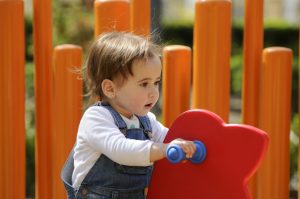

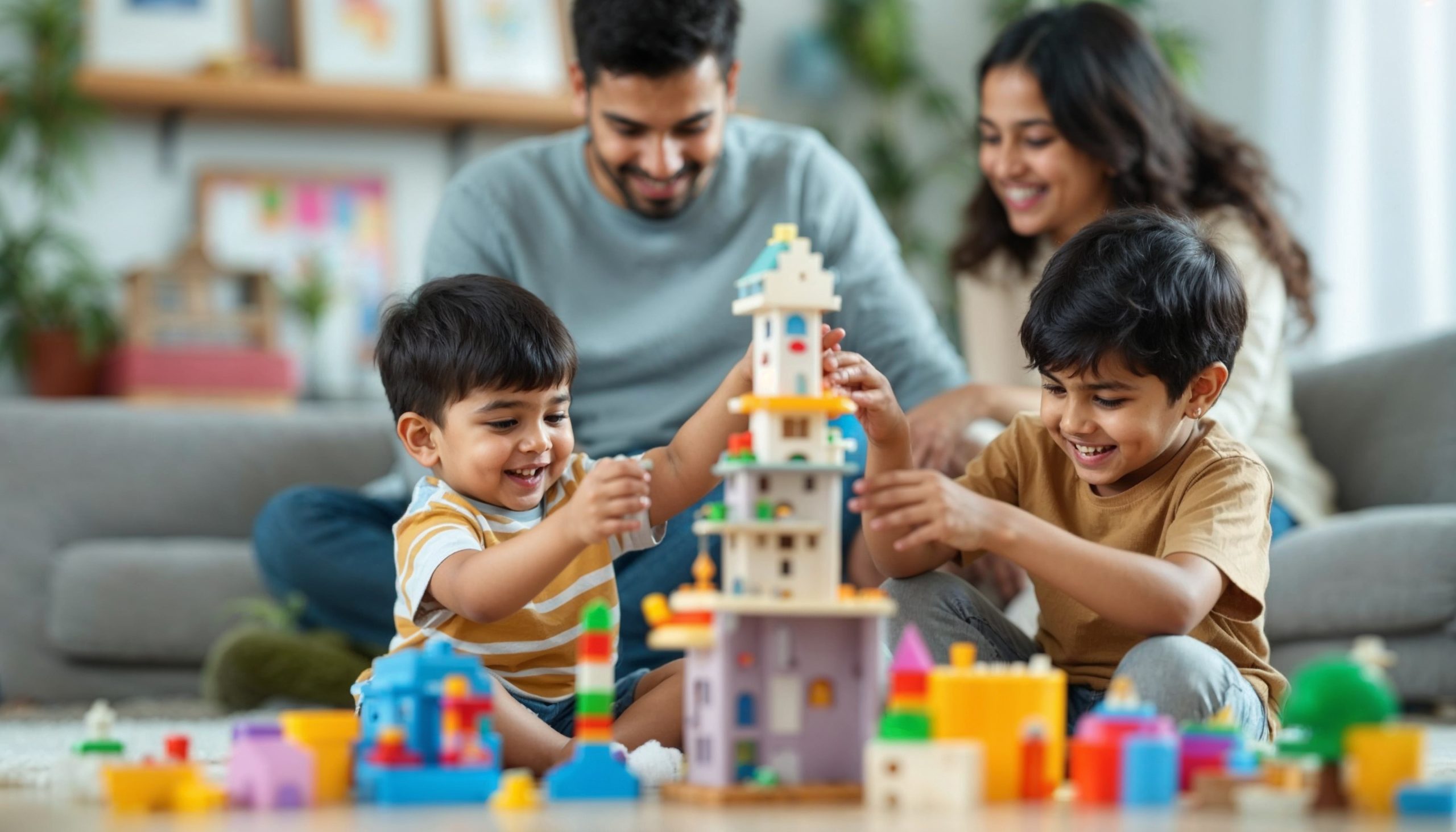
A toddler stirring imaginary soup in a toy kitchen. A child turning a cardboard box into a rocket ship. Two preschoolers seriously debate who gets to be the “doctor” and who must be the “patient.” To adults, these scenes may look messy, noisy, or even meaningless.
But beneath the laughter and chaos, something profound is happening.
Play is the foundation of Early Childhood Development. It is the invisible process through which children build intelligence, emotional strength, social awareness, and physical coordination. Long before formal schooling begins, play is shaping the architecture of a child’s brain and personality.
As Maria Montessori said, “Play is the work of the child.” Science now confirms this isn’t poetic exaggeration, it’s biological truth.
Play Builds the Brainin Early Childhood Development: The Science Behind the Fun
During the first six years of life, the brain develops faster than at any other stage. Neural connections form rapidly, and experiences determine which pathways strengthen. Play provides the rich stimulation necessary for healthy Early Childhood Development.
When a child stacks blocks, the brain is busy:
- Understanding balance, gravity, and structure
- Planning actions and predicting outcomes
- Learning from mistakes when towers fall
- Improving coordination between eyes and hands
Each playful action strengthens areas responsible for problem-solving, memory, and reasoning.
Pretend play adds another layer. When a stick becomes a horse or a sofa becomes a mountain, children use symbolic thinking the same mental skill later used in reading, mathematics, and abstract thought. Psychologist Jean Piaget described children as active learners who construct knowledge through experience. Play is their laboratory.
Emotional Development: Feelings Practiced Through Play
Children are not born knowing how to manage emotions. They learn through experience, and play becomes their emotional rehearsal space, a key element of Early Childhood Development.
In pretend scenarios, children explore feelings safely:
- Playing “teacher” helps them understand authority
- Playing “baby” allows them to seek comfort
- Playing “superhero” gives a sense of control over fears
- Playing “doctor” helps process medical experiences
Through games with rules, children learn to wait, take turns, and handle losing. These moments build self-regulation, patience, and resilience.
Play also reduces stress. Movement releases tension, laughter lowers stress hormones, and imagination helps children express emotions they cannot yet put into words. Psychologist Lev Vygotsky believed play allows children to function beyond their current maturity practicing emotional control before fully mastering it.
Social Skills: The Playground as a Mini Society
Group play is society in its simplest form. It includes rules, cooperation, conflicts, and friendships, all crucial aspects of Early Childhood Development.
Through social play, children learn:
Negotiation – deciding roles and rules
Communication – expressing needs and ideas
Empathy – understanding others’ feelings
Conflict Resolution – solving disagreements
Respect for Boundaries – learning acceptable behavior
These interactions build emotional intelligence and relationship skills that influence adulthood. Children who experience collaborative play early often develop stronger friendships and leadership qualities later.
Physical Growth: Movement Shapes the Mind
Play is movement, and movement fuels development.
Gross motor play (running, climbing, jumping) strengthens:
- Balance and coordination
- Muscle and bone development
- Cardiovascular health
- Spatial awareness
Fine motor play (drawing, threading beads, building) prepares children for writing and daily tasks. Physical activity also improves attention and focus linking body movement directly to learning ability.
Outdoor play adds sensory richness: textures, sunlight, fresh air, and uneven surfaces provide experiences essential for balanced Early Childhood Development.
Imagination: Where Creativity Is Born
When children build forts from blankets or talk to imaginary friends, they’re not escaping reality they’re expanding cognitive flexibility.
Imaginative play strengthens:
- Creativity
- Storytelling ability
- Flexible thinking
- Innovation skills
Albert Einstein valued imagination as much as knowledge. The seeds of innovation are planted in playful childhood moments.
The Different Faces of Play
| Type of Play | Example | Development Benefit |
| Free Play | Child-led exploration | Independence, creativity |
| Pretend Play | Role-playing | Emotional & language skills |
| Physical Play | Running, climbing | Strength & coordination |
| Constructive Play | Building, crafting | Planning & logic |
| Social Play | Group games | Teamwork & empathy |
A balance of these forms supports complete Early Childhood Development.
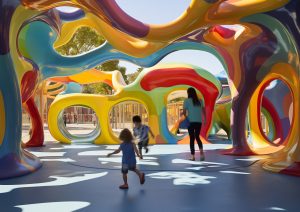
Kids Kingdom Dubai: A Space Designed for Meaningful Play
Environments designed specifically for children can significantly enhance play experiences. Kids Kingdom Dubai is an example of a play space that blends fun with developmental value. Such environments typically encourage imaginative zones, physical activity areas, and interactive play setups that allow children to explore freely while developing confidence and social skills. Spaces like these support creativity, movement, and peer interaction all essential pillars of Early Childhood Development while giving children the freedom to lead their own adventures in a safe, stimulating setting.
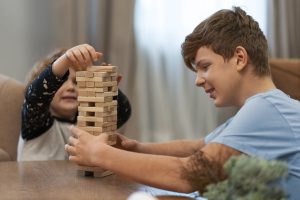
When Play Is Missing
Modern childhood often replaces free play with screens and structured schedules. But limited play can lead to:
- Increased anxiety
- Lower creativity
- Poor stress management
- Social difficulties
- Weak emotional regulation
Play is not a luxury, it is mental and emotional nutrition.
The Adult’s Role: Support Without Controlling
Adults don’t need to direct play constantly. Instead:
- Provide safe spaces
- Offer open-ended materials
- Allow unstructured time
- Encourage outdoor exploration
- Join play occasionally without taking over
Children learn best when curiosity leads.
Play Is the True Teacher
Play may look like fun on the outside, but inside it is growth, learning, healing, and discovery. It builds brains, strengthens emotions, teaches cooperation, fuels creativity, and supports physical health.
A child deeply engaged in play is not wasting time; they are developing skills for life. When we protect play, we protect confidence, intelligence, and well-being.
Because at its core, Early Childhood Development does not begin with textbooks it begins with play. And in that joyful, messy, imaginative world, children are quietly building the adults they will become.