
Every child arrives in the world full of possibility. Long before they can read a book or hold a pencil, their minds are already learning to absorb sounds, emotions, patterns, and relationships from everything around them. Learning does not begin in a classroom; it begins in everyday moments: during play, conversations, routines, and interactions. This is why the Impact of Education on Child Development is most powerful when it starts early.
Early education is not about academics alone. It is about shaping how children understand themselves, how they relate to others, and how they experience the world. The experiences children have in their earliest years quietly influence their confidence, emotional strength, curiosity, and ability to learn for the rest of their lives.
Why Early Childhood Is a Critical Stage of Development
The early years from birth to around five years are a period of extraordinary growth. During this time, a child’s brain forms millions of neural connections every second. These connections are shaped by experiences, relationships, and environments.
This stage is crucial because:
- The brain is highly adaptable and responsive
- Emotional patterns begin to form
- Social behaviours take root
- Learning habits are established
The Impact of Education on Child Development during this phase is profound because early experiences become the foundation upon which future learning and behaviour are built.
Education in the Early Years Is Not About Pressure
One of the most common misunderstandings about early education is the belief that it pushes children too quickly into academics. In reality, quality early education respects childhood.
Early learning focuses on:
- Play-based exploration
- Emotional safety
- Curiosity-driven discovery
- Gentle structure and routine
Children are not rushed to memorise facts. Instead, they are encouraged to ask questions, explore ideas, and engage with their surroundings in meaningful ways. This approach helps learning feel natural rather than forced.
Cognitive Development: How Children Learn to Think
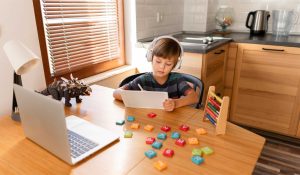
Cognitive development refers to how children process information, solve problems, and make sense of the world. Early education supports this development through simple, everyday experiences.
Activities such as:
- Sorting toys
- Building with blocks
- Listening to stories
- Asking “why” questions
- Exploring textures and shapes
These experiences strengthen memory, attention, and problem-solving abilities.
The Impact of Education on Child Development is evident when children are given opportunities to think independently rather than being told what to think.
Language and Communication: Learning to Express and Understand
Language development is one of the most visible outcomes of early education. Children learn language not through drills, but through interaction.
In nurturing learning environments, children:
- Hear rich and varied vocabulary
- Learn to listen and respond
- Practice expressing thoughts and emotions
- Gain confidence speaking in groups
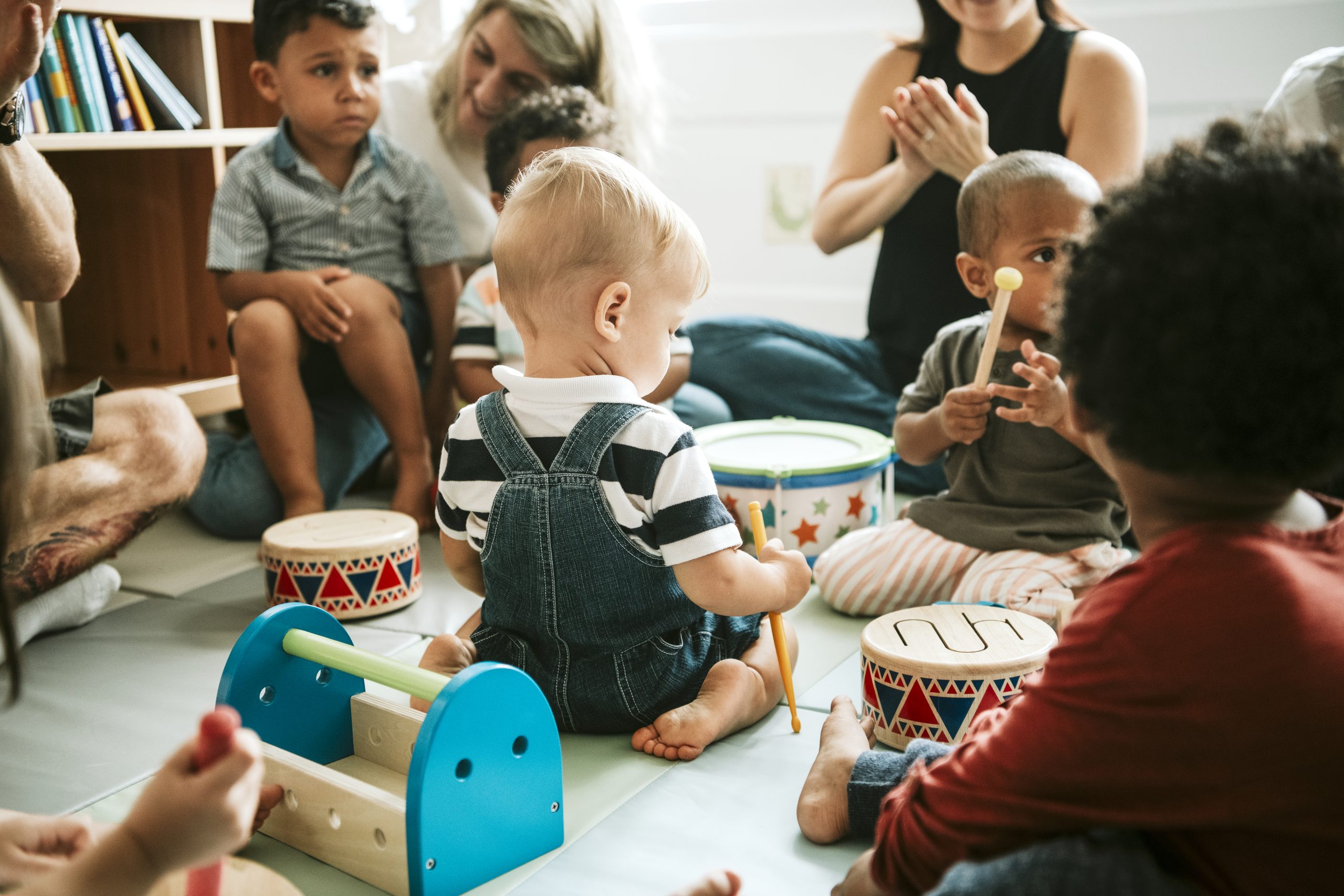
Stories, songs, conversations, and play all contribute to strong communication skills. These skills support not only academic success later on, but also emotional expression and social connection.
Emotional Development: Learning to Understand Feelings
Young children experience emotions intensely, but they are still learning how to recognise and manage them. Early education plays a key role in emotional development by creating safe spaces where feelings are acknowledged rather than dismissed.
Through daily interactions, children learn:
- That emotions are normal
How to name their feelings - Ways to calm themselves
- How to empathise with others
This emotional awareness forms the basis of mental well-being. The Impact of Education on Child Development in this area is long-lasting, influencing how children cope with challenges and relationships later in life.
Social Development: Learning to Be Part of a Community
One of the greatest gifts of early education is the opportunity for children to interact with peers. These early social experiences teach lessons that cannot be learned from books.
Children learn how to:
- Share and take turns
- Communicate needs respectfully
- Resolve small conflicts
- Follow group routines
- Respect differences
These interactions help children develop confidence and adaptability. They learn that they are part of something larger than themselves, a skill essential for school and life beyond.
Physical Development Through Movement and Play
Physical development is deeply connected to learning. Young children learn through movement, running, climbing, drawing, stacking, and dancing.
Early education supports:
- Gross motor skills (balance, coordination, strength)
- Fine motor skills (gripping, writing readiness, hand control)
- Body awareness and confidence
Playgrounds, art activities, and hands-on tasks all contribute to healthy physical development. A child who feels confident in their body is more confident in learning overall.
Routine and Structure: Building a Sense of Security
Children thrive on routine. Predictable schedules help them feel safe and confident, allowing them to focus on learning rather than uncertainty.
Daily routines teach children:
- Time awareness
- Responsibility
- Independence
- Self-discipline
The Impact of Education on Child Development is strengthened when routines are consistent, gentle, and respectful of a child’s needs.
The Role of Educators in Early Learning
Educators in early childhood settings play a unique role. They are not just teachers, they are guides, observers, and emotional anchors.
Good educators:
- Understand individual learning styles
- Encourage without comparison
- Support emotional needs
- Communicate closely with parents
Their presence helps children feel secure, which is essential for effective learning. When children trust their educators, they are more willing to explore, ask questions, and try new things.
Parents and Early Education: A Shared Responsibility
Early education is most effective when parents and educators work together. Children benefit from consistency between home and learning environments.
Strong parent-educator partnerships:
- Reinforce routines
- Support emotional development
- Encourage positive behaviour
- Build trust and transparency
This collaboration enhances the Impact of Education on Child Development, ensuring children feel supported from all sides.
Learning and Growing at Kids Kingdom
At Kids Kingdom, early education is approached with care, understanding, and intention. As a well-established nursery in Dubai, Kids Kingdom focuses on nurturing the whole child supporting emotional well-being, social confidence, and cognitive growth through play-based learning and thoughtful daily routines. Our educators create a safe, welcoming environment where every child feels valued, encouraged, and understood. For parents searching for a trusted nursery near me, Kids Kingdom the best nursery in Dubai offers more than early education; it provides a warm foundation where children begin their learning journey with confidence, curiosity, and joy.
Why Starting Early Builds Lifelong Learners
Children who experience positive early education often develop:
- Curiosity instead of fear of failure
- Confidence in trying new things
- Emotional resilience
- Strong social skills
These qualities shape how children approach learning throughout their lives. Education becomes something they enjoy, not something they endure.
Long-Term Effects of Early Education
The benefits of early education extend well beyond childhood. Research consistently shows that children who receive quality early education are more likely to:
- Perform better academically
- Adapt easily to change
- Maintain positive relationships
- Develop strong problem-solving skills
The Impact of Education on Child Development continues into adolescence and adulthood, shaping capable, balanced individuals.
Quality Matters More Than Speed
Starting education early does not mean pushing children too fast. What matters most is the quality of the learning environment.
A healthy early education setting:
- Values play as learning
- Respects individual development
- Prioritises emotional safety
- Encourages curiosity
When children are allowed to grow at their own pace, learning becomes meaningful and sustainable.
Final Thoughts: Education Begins With Care
At its heart, the Impact of Education on Child Development is about caring for a child’s emotions, curiosity, individuality, and pace of growth. Early education is not about creating perfect students; it is about nurturing confident, kind, and capable human beings.
When children are given a strong start, they carry that foundation with them for life. They grow not only in knowledge, but in self-belief and resilience.
Education does not begin with books.
It begins with understanding, patience, and trust.
And when it starts early, its impact lasts forever.